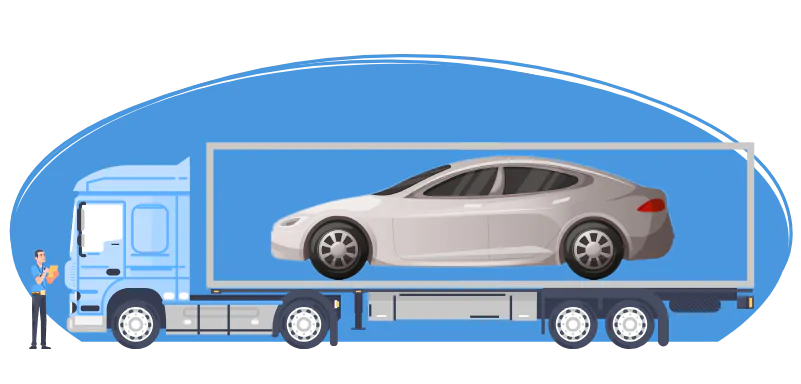
Transporting your vehicle on a trailer is one of the safest and most efficient ways to move it over long distances—but only if it’s loaded properly. Improper loading can result in serious damage to the vehicle or trailer and can pose a safety risk during transport.
Whether you’re moving to a new home, selling a car, or delivering one to a customer, knowing how to load a car on a trailer safely is essential for a smooth experience. In this blog, necessary steps and tips will be provided to ensure safe, secure, and efficient vehicle loading. Proper planning and execution can save time, money, and prevent any unwanted mishaps.
Key Highlights
- To load a car on a trailer, ensure to select the right trailer and inspect all equipment, choose between open or enclosed trailers based on your vehicle type and transport needs.
- Prepare, load, and secure the vehicle carefully—From prepping the car and aligning it with ramps to driving or winching it on and securing it with proper tie-downs, each step ensures safe, balanced transport.
- Keep safety top of mind—Use gloves, check ramp conditions, avoid overloading, and know your trailer’s limits when learning how to load a car onto the trailer
Step 1: Choose the Right Trailer
Choosing the right trailer is crucial for ensuring the safe transport of your vehicle. The two most common types of trailers used for car transport are:
Enclosed Trailers
The trailers used for enclosed car shipping provide complete protection, shielding your vehicle from environmental damage, road debris, and potential theft. They are ideal for luxury, classic, or high-value cars, offering additional security and weather protection.
- Full protection from rain, dust, and road debris
- Increased security against theft or vandalism
- Preferred choice for vintage, exotic, or collector cars
- Great for long-distance or cross-country transport
Open Trailers
The trailers used for open car shipping are lightweight and more affordable. However, they don’t provide protection from road debris, weather, or the elements. Open trailers are great for non-luxury vehicles or short-distance transport.
- Lower cost compared to enclosed options
- Easier to find and schedule
- Suitable for standard vehicles and local moves
- Lighter weight allows for more fuel-efficient towing
If you’re unsure which option suits your needs best, consider exploring our guide on choosing the right car trailer—it can help you make an informed decision based on your vehicle type, value, and distance of transport.
Step 2: Inspect the Equipment
Before you start loading, it’s important to inspect the trailer and equipment thoroughly. Here’s what you need to check:
- Trailer Tires: Ensure they are properly inflated and show no signs of excessive wear.
- Ramps: Check for stability and any damage. Ensure they are securely fastened to the trailer.
- Tie-Downs (Straps or Chains): Confirm that the straps or chains are strong, undamaged, and DOT-approved.
- Winch (if using): Make sure the winch is functioning smoothly if you plan to use it for loading the car.
Step 3: Prepare the Vehicle
Preparation is key to successfully loading a car on a trailer. Follow these steps before moving the vehicle:
- Remove or Secure Loose Items inside the vehicle to prevent shifting during transport.
- Check Fluid Levels to avoid potential leaks during the journey.
- Inspect Tire Pressure to ensure an even distribution of weight.
- Fold In Mirrors (if applicable) to avoid side damage.
- Document the Condition of the vehicle with photos for future reference.
Step 4: Align the Ramps

Position the trailer on level ground with sufficient space behind it for the vehicle to approach in a straight line. When you’re ready to load, carefully align the vehicle with the ramps. Keep the wheels straight and avoid veering off to the side.
Pro Tip:
It’s helpful to have someone guide you from outside the vehicle to ensure proper alignment, especially when loading low-clearance or tight-fit vehicles.
Step 5: Drive or Winch the Car onto the Trailer
Now comes the actual loading process. Depending on the trailer setup, you can either drive the vehicle up the ramps or use a winch for a more controlled loading process. Both methods require careful attention to ensure the car is loaded safely and securely.
Driving or Moving the Car
If you’re driving or moving the car onto the trailer, make sure to do so safely. If you want that car to run, it’s important to know how to move a non-running car to ensure the process is done securely and without damage. Follow these key tips to ensure a smooth and safe process:
- Take It Slow – Move the car slowly and steadily, avoiding rapid acceleration.
- Maintain a Straight Line – Keep the car aligned with the center of the ramp to prevent veering off course.
Using a Winch for Loading
If you’re using a winch to load the car, it’s crucial to ensure the winch operates smoothly and the process is controlled. Here’s how to use a winch safely:
- Ensure Winch Capacity – Double-check that the winch can handle the weight of your vehicle.
- Keep the Cable Tight – Make sure the winch cable remains taut as the car is pulled onto the trailer.
Step 6: Final Safety Check
Before heading out, do a final check to make sure everything is secure:
- Double-check straps, chains, and chocks.
- Test the trailer lights to make sure they are working properly.
- Do a slow test drive or short pull to ensure the vehicle doesn’t shift or cause any imbalance.
Bonus Tips for Safe Vehicle Loading
To further ensure the safe transport of your vehicle, consider the following additional tips on how to load a car onto a trailer effectively and securely:
- Know Your Weight Limits: Always stay within the trailer’s Gross Vehicle Weight Rating (GVWR) and ensure the vehicle’s curb weight is accounted for.
- Use Gloves: Handling straps or chains can be tough on your hands, so gloves will offer protection.
- Avoid Wet or Slippery Ramps: Loading a car on slippery surfaces increases the risk of the vehicle slipping, which can lead to damage or injury.
- Check Clearance for Low-Profile Vehicles: Ensure that the vehicle won’t scrape the trailer’s edge during loading or unloading.
- Distribute Weight Evenly: Make sure the weight is evenly balanced between the front and rear axles to avoid unnecessary strain on the trailer.
- Avoid Overloading: Don’t push the trailer’s capacity. Overloading can cause instability during transit.
Conclusion
Properly loading a car on a trailer is essential for a safe, efficient, and damage-free transport. By following the right steps and using the proper equipment, you’ll ensure your vehicle stays secure throughout the journey. Whether you’re moving a car locally or across the country, taking the time to load your vehicle correctly will help prevent accidents and damage.
Frequently Asked Questions
Can I load my car onto the trailer myself?
Yes, you can load your car yourself, but it’s important to have proper equipment, knowledge, and assistance if needed. If you’re not comfortable, consider hiring a professional to handle the loading.
What should I do if my car is too low to load onto the trailer?
For low-clearance vehicles, use a low-profile car hauler or ramps with a gentle incline. Ensure the ramps are wide enough to avoid scraping.
How can I prevent my vehicle from shifting during transport?
Use high-quality tie-down straps and wheel chocks to secure the vehicle. Make sure the straps are tightly fastened but not over-tightened.
Should I drain the fuel tank before shipping my car?
It’s not usually required to drain the fuel tank, but it’s a good practice to leave the tank only a quarter full to reduce weight and minimize the risk of fuel leakage during transit.