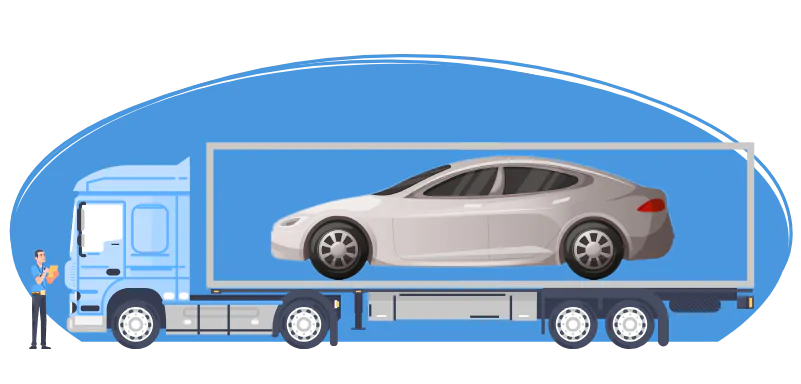
When dealing with a non-running car, moving it can seem daunting. Whether it’s stuck in the driveway or needs to be relocated across town, it requires careful planning and the right approach. AutoStar Transport Express simplifies this process with our step-by-step guide, covering everything from assessing the vehicle’s condition to arranging specialized transport.
Let us help you handle non-operational car transport with confidence and ease.
Key Highlights:
- A step-by-step guide to moving a non-running car, from assessing its condition to arranging specialized transport.
- Tips on choosing the right transport method and equipment for efficient and safe vehicle relocation.
- How AutoStar Transport Express ensures the safe handling and timely delivery of your non-running vehicle.
What Is a Non-Running Car?
A non-running car is a vehicle that is unable to start or operate due to various issues. This could be due to a dead battery, mechanical failure, or other problems that prevent the engine from functioning. Non-running cars are often immobile, making them challenging to transport without special arrangements or equipment.
Ready to Move Your Non-Running Car?
Essential Steps for Moving a Non-Running Car
Here’s a comprehensive guide to help you manage the process smoothly and efficiently.
1. Assess the Vehicle’s Condition
Determine whether the car is completely immobile or if it can be moved with minimal effort. Understanding its condition helps in selecting the appropriate transport method.
2. Prepare the Car for Transport
Remove any loose items from the vehicle and take detailed photographs of its condition. This documentation will be useful for insurance purposes and to ensure the vehicle’s condition is noted before auto transport.
3. Choose the Right Transport Method
For short distances, a tow truck may suffice. For longer distances or complex situations, consider open or enclosed auto transport. Open car transport is cost-effective and suitable for standard vehicles, while enclosed auto transport offers added protection for high-value or non-running cars.
4. Arrange for Specialized Equipment
If the vehicle is severely damaged or immobile, ensure that you have access to specialized equipment like winches or dollies. AutoStar Transport Express provides the necessary tools and expertise to handle such situations.
5. Schedule Pickup and Delivery
Set up a pickup time with your transport service that fits your schedule. Communicate any special instructions related to the vehicle’s condition and location.
Arrange Safe Delivery for Your Non-Running Car Now!
6. Confirm Transport Details
Ensure that all details, including the route, estimated delivery time, and any additional services, are confirmed. AutoStar Transport Express will keep you informed throughout the process.
7. Prepare for Arrival
Make sure the destination area is ready for the vehicle’s arrival. Clear any obstacles and ensure there is enough space for unloading the vehicle.
8. Inspect and Finalize the Process
Upon arrival, inspect the vehicle to ensure it is in the same condition as when it was picked up. Address any discrepancies with the transport service immediately and complete any necessary paperwork.
Choosing the Right Transport Service for Non-Running Vehicles
For transporting a non-running car, it’s essential to choose a vendor with the right equipment and expertise. Inform the transport company of your vehicle’s condition to ensure they can handle it properly. At AutoStar Transport Express, we specialize in non-running vehicle transport and provide the necessary tools and solutions for a smooth process. Contact us today to discuss your needs and get professional support for your vehicle move.
Ship Your Car Across the U.S.!
Conclusion
Transporting a non-running car doesn’t have to be a stressful experience. By following these essential steps and working with a professional transport service like AutoStar Transport Express, you can ensure that your vehicle is handled with care and efficiency. From assessing the condition of your car to confirming transport details, our expert team is here to guide you through each phase of the process.
Frequently Asked Question
How much does it cost to move a non-running car?
The cost varies depending on the distance, vehicle condition, and transport method.
Can I move a non-running car myself?
While it’s possible to move a non-running car yourself, it’s often challenging and requires special equipment. Professional transport services like AutoStar Transport Express can ensure the process is handled safely and efficiently.
What types of equipment are used to transport a non-running car?
Specialized equipment such as winches, dollies, and tow trucks may be used depending on the vehicle’s condition and the distance of transport.
How long does it take to transport a non-running car?
The transport time depends on the distance and the specific arrangements made. Some auto transport companies will provide an estimated delivery time based on your transport route.