


When choosing between the cost-effectiveness of open and the protection of enclosed auto transport, it’s crucial to evaluate your options carefully. Shipping your vehicle across the country involves deciding between open and enclosed car shipping methods, each offering distinct advantages and considerations. To help you make the best choice, AutoStar Transport Express provides both services, tailored to your specific requirements. This article delves into the differences between open and enclosed car shipping, highlighting how AutoStar Transport Express can guide you to the optimal solution for your needs.
Open vs Enclosed Car Shipping: Quick Comparison
| Feature | Open Car Transport | Enclosed Car Transport |
|---|---|---|
| Average Cost | $800 – $1,200 (cross-country) | $1,200 – $1,800 (cross-country) |
| Cost Difference | Standard pricing | 30-60% more expensive |
| Weather Protection | No protection from elements | Complete weather protection |
| Road Debris Protection | Minimal protection | Full protection from debris |
| Vehicle Security | Secure strapping, visible | Secured inside enclosed trailer |
| Carrier Availability | Widely available | Limited availability |
| Scheduling Flexibility | Easy to schedule (1-2 weeks) | Requires advance booking (2-4 weeks) |
| Transit Time | 5-7 days average | 7-10 days average |
| Best For | Standard vehicles, daily drivers | Luxury, classic, exotic cars |
| Vehicles Per Carrier | 7-10 vehicles | 2-6 vehicles |
| Insurance Coverage | Standard carrier insurance | Enhanced coverage options |
| Popularity | 90% of shipments | 10% of shipments |
Open vs Enclosed Auto Transport Cost Breakdown
Open vs Enclosed Auto Transport: Detailed Cost Analysis
Understanding the cost difference between open and enclosed auto transport helps you make an informed decision. Here’s what you need to know about pricing:
Open Car Shipping Costs:
- Short distance (0-500 miles): $300 – $600
- Medium distance (500-1,500 miles): $600 – $900
- Cross-country (1,500+ miles): $800 – $1,200
- Cost per mile typically decreases with distance
Enclosed Car Shipping Costs:
- Short distance (0-500 miles): $450 – $850
- Medium distance (500-1,500 miles): $900 – $1,350
- Cross-country (1,500+ miles): $1,200 – $1,800
- Premium increases 30-60% over open transport
Factors Affecting Both Methods:
- Vehicle size and weight (larger vehicles cost more)
- Pickup and delivery locations (rural areas increase cost)
- Seasonal demand (summer months are peak season)
- Vehicle condition (non-running vehicles cost 25-50% more)
- Expedited shipping (rush delivery adds $200-500)
- Door-to-door vs terminal-to-terminal service
Is Enclosed Car Shipping Worth the Extra Cost?
Enclosed transport is worth the premium if your vehicle:
- Has a value exceeding $50,000
- Is a classic or vintage automobile
- Requires protection for car shows or auctions
- Features custom paint, modifications, or wraps
- Holds significant sentimental value
- Is an exotic or luxury brand (Ferrari, Lamborghini, Bentley, etc.)
For everyday vehicles under $30,000, open transport provides excellent value without unnecessary expense.
Ship Your Car Anywhere in the USA Now!
Open Car Shipping

1. Design and Structure:
- Trailer Type: Open car shipping utilizes open-air trailers, which can be flatbeds or multi-car carriers. These trailers have no sides or roof, allowing for easy loading and unloading of vehicles.
- Loading: Vehicles are driven onto the trailer using ramps, and then secured with tie-down straps or chains to prevent movement during transit.
2. Exposure and Protection:
- Environmental Exposure: Unlike enclosed trailers, open carriers expose vehicles to the elements. This includes potential exposure to rain, snow, dust, road debris, and sunlight.
- Security: Vehicles are generally safe from theft due to secure strapping and the low-profile nature of the carriers, though they are still exposed to some risk of minor damage from environmental factors.
3. Cost Efficiency:
- Affordability: Open car shipping is typically less expensive than enclosed car shipping. The open design allows carriers to transport multiple vehicles simultaneously, which spreads the cost among several customers.
- Cost Factors: Factors influencing the cost include distance, the size and weight of the vehicle, and the current demand for shipping services.
4. Scheduling and Availability:
- Wide Availability: Open car shipping is more common and has a broader network of carriers, making it easier to find available services and schedule shipments.
- Flexibility: Due to the high number of open carriers, scheduling is often more flexible, and you may find quicker turnaround times compared to enclosed shipping.
5. Ideal Use Cases:
- Standard Vehicles: Open car shipping is well-suited for standard vehicles and everyday cars that do not require specialized protection.
- Budget-Conscious Shipping: For those looking to minimize costs without needing the added protection of an enclosed trailer, open car shipping is a practical choice.
6. Common Applications:
- Relocations: Ideal for moving vehicles during residential or commercial relocations.
- Long-Distance Transport: Often used for long-distance car transport, such as from one state to another, due to its affordability and availability.

Effortlessly Move Your Car Across the Country
Advantages and Disadvantages of Open Car Shipping
Advantages:
- Cost-Effective: Open car shipping is generally less expensive compared to enclosed car shipping. The open design allows for the transportation of multiple vehicles simultaneously, which reduces the cost per vehicle. This is ideal for those on a budget or shipping multiple vehicles.
- Wide Availability: Open car shipping is more common and widely available due to the large number of open trailers and carriers. This makes it easier to find available carriers and schedule shipments, often with more flexible timing.
- Efficient Loading and Unloading: The open design of the trailer makes it easier to load and unload vehicles, simplifying the process of vehicle handling and reducing potential delays.
- Faster Transit Times: With a higher number of carriers available, open car shipping can offer quicker transit times, especially if the carrier is part of a large fleet.
Disadvantages:
- Exposure to the Elements: Vehicles are exposed to weather conditions like rain, snow, and sunlight, as well as road debris. This increased exposure can lead to minor damage such as scratches or dings from environmental factors.
- Less Security: While vehicles are secured with straps, they are more exposed to theft or vandalism compared to enclosed options. This higher potential for theft or vandalism can be a concern, particularly in areas with higher crime rates.
- Limited Protection: Open trailers do not offer protection from environmental factors, which can be a concern for luxury, classic, or high-value vehicles. These vehicles may require higher levels of protection due to their value or condition.
- Increased Exposure to Road Debris: Vehicles on open trailers are exposed to road debris kicked up by other vehicles, which can lead to additional wear and tear or minor damage from road hazards.
Enclosed Car Shipping

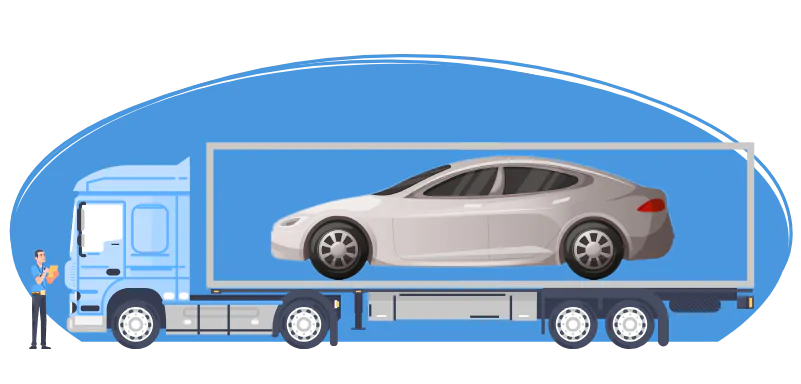
Enclosed car shipping involves transporting vehicles inside a fully covered trailer, providing enhanced protection during transit. Here’s an overview of enclosed car shipping:
Design and Structure:
- Trailer Type: Enclosed car shipping uses trailers with walls and a roof, completely covering the vehicle. These trailers come in various sizes, including single-car and multi-car options.
- Loading: Vehicles are carefully loaded into the trailer, often using hydraulic lifts or ramps. The interior is designed to ensure that the vehicle is securely fastened and protected from movement during transit.
Protection and Security:
- Environmental Protection: The enclosed design shields vehicles from weather elements such as rain, snow, sunlight, and road debris. This reduces the risk of damage from external factors and helps maintain the vehicle’s condition.
- Security: The enclosed nature of the trailer provides a higher level of security against theft and vandalism. Vehicles are less visible and more secure within the trailer, offering peace of mind during transport.
Cost and Availability:
- Cost: Enclosed car shipping is generally more expensive than open car shipping due to the added protection and specialized equipment. Costs can vary based on distance, vehicle size, and additional services.
- Availability: While not as common as open car shipping, enclosed car shipping is available through specialized transport companies. Scheduling might be less flexible, and availability may vary based on location and demand.
Ideal Use Cases:
- High-Value and Classic Vehicles: Enclosed car shipping is ideal for luxury, classic, or high-value vehicles that require extra care and protection. The enclosed trailer provides a safe environment, reducing the risk of potential damage or wear.
- Temperature-Sensitive Vehicles: Some enclosed trailers offer climate control features, making them suitable for vehicles sensitive to temperature changes, such as classic cars or those with delicate interiors.
Common Applications:
- Luxury and Collectible Cars: Often used for transporting high-end or collectible vehicles that demand the highest level of care.
- Long-Distance Moves: Suitable for long-distance car transport where maintaining the vehicle’s condition is a priority.
Ship Your Car with our Open Carrier Car Transport Service Now!
Advantages and Disadvantages of Enclosed Car Shipping
Benefits of Enclosed Car Shipping
Choosing enclosed auto transport offers numerous advantages for high-value vehicles. Here are the key benefits:
- Complete Weather Protection Enclosed car carriers shield your vehicle from rain, snow, hail, sleet, and extreme temperatures. Unlike open transport, your car arrives in the exact condition it left, regardless of weather conditions during transit.
- Protection from Road Debris Highway travel exposes vehicles to rocks, gravel, tar, and debris from other vehicles. Enclosed trailers eliminate this risk, protecting your paint, windshield, and exterior finish.
- Enhanced Security and Privacy Your vehicle remains hidden from view during transport, providing additional security and discretion. This is particularly valuable for rare collectibles or high-profile vehicle shipments.
- Reduced UV and Sun Damage Direct sunlight during multi-day transport can fade interiors and damage paint finishes. Enclosed carriers protect against harmful UV rays throughout the journey.
- Lower Insurance Risk The reduced exposure to potential damage often results in lower insurance claims, making it ideal for vehicles where even minor cosmetic damage would be costly to repair.
- Specialized Handling Enclosed auto carriers typically transport fewer vehicles (2-6 vs 7-10), allowing for more careful handling and attention to each automobile.
- Peace of Mind For classic car collectors, luxury vehicle owners, and those transporting vehicles to shows or auctions, enclosed shipping provides invaluable peace of mind knowing your investment is maximally protected.
- Protection During Long-Distance Moves Cross-country shipments lasting 7-10 days expose vehicles to varying weather conditions across multiple states. Enclosed transport maintains consistent protection throughout.
When Enclosed Vehicle Shipping Makes Sense:
- Classic cars valued over $50,000
- Exotic and luxury vehicles
- Show cars and competition vehicles
- Vehicles with custom paint or modifications
- Antique automobiles requiring preservation
- High-value motorcycles and specialty vehicles
Disadvantages of Enclosed Car Shipping
- Higher Cost: Enclosed car shipping generally costs more than open car shipping due to the added protection and specialized equipment. This may be a concern for those with a tight budget or for standard vehicles where high protection is not a priority.
- Limited Availability: Enclosed car shipping is less common than open car shipping, which might affect availability and scheduling. Finding a carrier and coordinating pickup and delivery may be less flexible and more challenging.
- Potentially Longer Transit Time: Enclosed car shipping might take longer depending on the carrier and route, due to specialized handling and fewer available carriers. This could be an issue for those requiring faster delivery.
- Size and Weight Limitations: Enclosed trailers, particularly single-car units, may have limitations on size and weight. Larger or heavier vehicles may face restrictions or require specialized trailers, potentially increasing costs.
Types of Open and Enclosed Car Shipping
Types of Open Car Shipping
- Open-Air Carrier: Vehicles are transported on an open trailer with no roof or sides. It’s a cost-effective option for standard vehicles and long distances.
- Single-Level Open Trailer: A flatbed trailer carrying one or two vehicles, offering easier access for loading and unloading, suited for short distances.
- Multi-Level Open Trailer: A trailer with stacked levels, allowing multiple vehicles to be transported simultaneously, ideal for high-volume shipping.
Types of Enclosed Car Shipping
- Single-Car Enclosed Trailer: Transports one vehicle in a fully enclosed trailer, providing maximum protection and security, ideal for luxury or classic cars.
- Multi-Car Enclosed Trailer: Accommodates several vehicles in a single enclosed trailer, offering protection for multiple high-value vehicles.
- Climate-Controlled Enclosed Trailer: Features temperature and humidity control, perfect for vehicles sensitive to environmental changes.
- Liftgate Enclosed Trailer: Equipped with a liftgate for easy loading and unloading of low-clearance vehicles or those needing special handling.
Find Out How to Transport Your Vehicle Safely
Difference Between Open and Enclosed Car Shipping
Exposure and Protection:
- Open Car Shipping: Vehicles are transported on open trailers with no roof or sides, exposing them to weather conditions, road debris, and potential damage from the elements.
- Enclosed Car Shipping: Vehicles are transported in fully enclosed trailers, shielding them from weather, debris, and environmental factors, offering superior protection.
Security:
- Open Car Shipping: Lower security as vehicles are visible and accessible from outside, increasing the risk of theft and vandalism.
- Enclosed Car Shipping: Higher security with vehicles hidden from view and securely locked inside the trailer, reducing theft and vandalism risks.
Cost:
- Open Car Shipping: Generally more affordable due to the lower cost of the open trailers and less specialized handling.
- Enclosed Car Shipping: More expensive because of the added protection, specialized equipment, and care required.
Handling:
- Open Car Shipping: Typically involves less careful handling, as the focus is on efficiency and cost. Vehicles may be subjected to exposure during loading and unloading.
- Enclosed Car Shipping: Includes meticulous handling and care, with the vehicle protected from environmental exposure and potential damage during transport.
Suitability:
- Open Car Shipping: Ideal for standard vehicles, non-luxury cars, and those where cost is a primary concern.
- Enclosed Car Shipping: Best for high-value, luxury, classic, or delicate vehicles that require extra protection and careful handling.
Ship Your Car with our Enclosed Carrier Car Transport Service Now!
Open Auto Carrier vs Enclosed Auto Carriers: A Detailed Look
Understanding Open Auto Carriers and Enclosed Auto Carriers
Open Auto Carrier Features:
Open car carriers are the workhorses of the auto transport industry, moving approximately 90% of all vehicles shipped in the United States.
Carrier Types:
- Two-level open trailers (most common): Transport 7-10 vehicles
- Single-level flatbed trailers: Handle larger vehicles or equipment
- Multi-car haulers: Used by dealerships for new inventory
Loading Process: Vehicles are driven onto the carrier using hydraulic ramps, then secured with heavy-duty straps and wheel chocks to prevent movement during transit.
Safety Features:
- Professional-grade tie-down systems
- Hydraulic lift systems for controlled loading
- Experienced drivers trained in vehicle securing
- Regular DOT safety inspections
Enclosed Auto Carriers Features:
Enclosed carriers provide premium protection using fully enclosed trailers with solid walls, roof, and floor.
Carrier Types:
- Hard-sided enclosed trailers: Most common, metal walls
- Soft-sided enclosed trailers: Canvas sides, lower cost
- Multi-level enclosed carriers: Transport 4-6 vehicles
- Single-car enclosed trailers: Ultimate protection
Advanced Protection:
- Climate-controlled options available
- Hydraulic lift gates for low-clearance vehicles
- Padded interiors to prevent contact damage
- Air-ride suspension systems for smooth transport
Which Enclosed Auto Carriers Are Best?
Hard-sided enclosed carriers with climate control offer maximum protection but cost more. Soft-sided enclosed carriers provide excellent protection at a lower price point, suitable for most enclosed shipping needs.
Conclusion
Choosing between open and enclosed car shipping hinges on your vehicle’s value and protection needs. Open car shipping is cost-effective and readily available, ideal for standard vehicles, though it exposes cars to the elements and offers less security. Enclosed car shipping, while pricier and less flexible, provides superior protection and security, making it the best choice for high-value or classic cars. Assess your priorities to select the option that best suits your requirements.
Still unsure? Find out which shipping option is best for your car before you decide.
FAQs: Open vs Enclosed Car Shipping
Which should I choose: open or enclosed car shipping?
Choose open transport for everyday vehicles where cost-effectiveness is a priority. Opt for enclosed transport if you’re shipping a luxury, classic, exotic, or high-value vehicle that requires maximum protection from weather and road debris.
What is the cheapest way to ship a car between open and enclosed?
Open auto transport is generally the cheapest option for car shipping. It’s widely available and efficient for standard vehicles, typically costing 30-60% less than enclosed transport.
How much does enclosed car shipping cost compared to open transport?
Enclosed car shipping typically costs 30-60% more than open transport. For example, if open transport costs $800, enclosed shipping for the same route might cost $1,040-$1,280. The premium reflects enhanced protection and specialized equipment.
Is enclosed car shipping safer than open car transport?
Yes, enclosed car shipping provides complete protection from weather, dust, and road hazards, making it ideal for high-value or classic cars. However, open transport is also safe and secure for standard vehicles when handled by professional carriers.
What are the main disadvantages of open car shipping?
Open car shipping exposes vehicles to weather elements, road debris, and dust during transport. While damage is rare with professional carriers, your vehicle won’t have the complete protection that enclosed transport provides.
What are the drawbacks of enclosed transport?
Enclosed transport costs significantly more, has limited carrier availability, and may take longer to schedule. It’s typically unnecessary for standard daily-driver vehicles where the extra cost doesn’t provide proportional value.
Is open car shipping safe for my vehicle?
Yes, open car shipping is safe for standard vehicles. This is the most common method used by car shippers. Cars are securely tied down and handled by experienced transport professionals.
Will my car get damaged in open transport?
Damage during open transport is rare when using reputable carriers. While vehicles are exposed to weather and road conditions, professional drivers take precautions to secure and protect your car. Most shipments arrive without any issues.
What weather conditions affect open car shipping?
Open transport exposes vehicles to rain, snow, hail, extreme heat, and UV rays during transit. While weather exposure is normal, severe storms may cause delays as carriers prioritize safety. Your vehicle experiences similar conditions during regular highway driving.
Can I ship a non-running car using open or enclosed transport?
Yes, both open carrier car shipping and enclosed transport can accommodate non-running vehicles, but special equipment like a winch may be needed. Inform your carrier in advance as this may affect pricing and logistics.
Is enclosed car shipping suitable for all types of vehicles?
Enclosed car shipping is suitable for most vehicles but is especially recommended for luxury cars, classic cars, exotic vehicles, and cars with high value or sentimental importance. It’s less cost-effective for standard daily drivers.
What types of vehicles are best suited for open transport?
Open transport works best for everyday vehicles like sedans, SUVs, and trucks that are used for daily driving. If your vehicle is under $30,000 in value and isn’t a collector’s item, open transport is typically the practical choice.
Will my vehicle be insured during transportation in enclosed car shipping?
Yes. Reputable car shipping companies provide insurance through carrier coverage during transport. Most transport companies don’t offer direct insurance. Always review the policy details to ensure it meets your expectations.
How long does open car shipping take?
The timeframe varies based on distance and route. Generally, open car shipping is faster since carriers are more widely available. Cross-country transport typically takes 7-10 days, while shorter distances may take 2-5 days.
Is enclosed car shipping harder to schedule than open transport?
Yes, enclosed carriers are less common and have limited capacity, which can mean longer wait times. You may need to book 2-4 weeks in advance for enclosed transport, compared to just days or a week for open transport.
Can I track my vehicle during open or enclosed shipping?
Most reputable car shipping companies offer tracking services for both open and enclosed transport. Autostar Transport Express provides real-time updates so you can monitor your vehicle’s journey and estimated delivery time.
Do I need to prepare my car differently for open vs enclosed transport?
Basic preparation is similar for both: remove personal items, check for leaks, ensure proper tire pressure, and document existing damage. For open transport, consider giving your car a thorough wash beforehand, as it will be exposed to road dust during transit.
How far in advance should I book open vs enclosed shipping?
For open transport, booking 1-2 weeks in advance is typically sufficient. For enclosed transport, book 2-4 weeks ahead due to limited carrier availability, especially during peak seasons or for specific routes.
Streamline Your Car Transport Process


Your information is extremely beneficial to a new man who is shipping a car for the first time. I understand the process of shipping a car after reading your content.
Thank you for your positive feedback. You can use our service to transport your vehicle.
Forget about extra charges, if you want full safety of your car. You don’t have to comprise on car security so I would suggest always going for enclosed car shipping is the better choice but It’s your choice, If you are in hurry, go for open car transport
If It’s your old Mazda or Honda, You can opt for open car transport, cause you will not be bothered by some minor scratches on your car but if it’s your new car or a sports car, you must not rely on open car transport. The reason is that you don’t want any debris, dust, or swirls on your new car that can decrease its value and you can even have an anxiety attack. I am saying all this because I have experienced it all and I don’t want anyone to suffer as I did.
Hey Ivan. Thanks for your honest comment. You are right. closed car transport is much safer than open car transport but the fact is that open car transport is much more, fast, cost-effective and reliable.