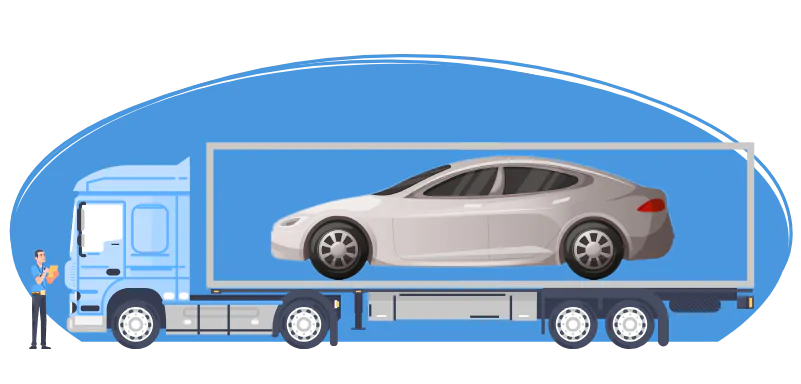
Buying a car is exciting, but seeing the status “In Transit” on your order or vehicle tracking can be confusing. What does “In Transit” really mean when it comes to car dealerships? Why is your vehicle in transit, and how long does it take before it reaches you?
This guide breaks down the meaning of “In Transit” at a car dealer, explains how the process works, and shows you exactly how to track your vehicle while it’s on the way to the dealership.
Key Highlights
- “In Transit” means your vehicle is actively being shipped from the manufacturer, port, or another dealership to your local dealer, signaling progress toward delivery.
- You can track your vehicle’s status by requesting tracking details from your dealer or using transport company tools to get real-time updates and reduce uncertainty.
- Typical transit times vary from a few days for local shipments to weeks for imports, and understanding this helps you manage expectations, prepare paperwork, and stay informed about possible delays.
What Does “In Transit” Mean at a Car Dealer?
The term “In Transit” simply means your vehicle is currently being shipped or transported from one location to another, usually from the manufacturer or port to the dealership where you will pick it up. It is the stage after your order is confirmed but before the car physically arrives.
- At the dealership level: It means your car has left the factory or previous location and is en route.
- It can be transported via truck, train, or sometimes ship.
This status informs you that the vehicle is actively moving through the supply chain.
Why Is My Vehicle “In Transit”?
Your vehicle is listed as “In Transit” for several reasons:
- Factory to Port: The car is being shipped from the manufacturing plant to the port for export.
- Port to Dealership: After import, it’s traveling to your local dealership, often via an auto transport company that handles the logistics.
- Between Dealerships: Sometimes vehicles are moved from one dealer to another to fulfill orders.
- Auction or Used Vehicle Transfer: If buying used, “In Transit” means it’s on the way from auction or previous owner to dealer.
The Car Shipping & Delivery Process Explained
Here’s a quick overview of how new and used cars get to your dealer:
- Step 1: Vehicle production and quality checks at the factory.
- Step 2: Loaded onto a transport carrier (truck/train/ship).
- Step 3: Moves through shipping routes to the dealership region.
- Step 4: Vehicle arrives at the dealership.
- Step 5: Final preparation, inspection, and customer notification.
How Long Does a Vehicle Stay “In Transit”?
Transit times vary by distance and transport method:
- Local or regional transit: 1–5 days
- Cross-country car shipping: 5–14 days
- Imported vehicles: Could take weeks, depending on port clearance and shipping.
Dealerships usually provide estimated delivery times, but unexpected delays (weather, logistics) can affect timing.
How to Track a Vehicle in Transit to a Dealership
Tracking your vehicle’s transit status depends on the dealership and transport company:
- Ask your dealer for tracking info: Most dealers provide a shipment tracking number or portal access.
- Use online vehicle tracking systems: Some dealers or transport companies partner with services where you enter your VIN or shipment ID.
- Contact customer service: Dealers can often give real-time updates.
- Apps and email updates: Many dealers send automated notifications on shipment status.
Why “In Transit” Status Matters for Buyers
Understanding this status helps:
- Manage expectations on delivery timing
- Track progress for peace of mind
- Plan financing, insurance, and trade-in around delivery
- Avoid unnecessary calls or confusion
Tips to Stay Informed During Your Vehicle’s Transit
- Keep communication open with your dealership sales rep.
- Request regular updates or tracking links.
- Prepare all paperwork and financing ahead of arrival.
- Stay patient and plan for possible minor delays.
Conclusion:
“In Transit” means your vehicle is on its way, a positive sign that your new car is almost ready for you. By understanding the shipping process and tracking methods, you can stay informed and confident as you wait for delivery.
Common Questions About “In Transit” Vehicles
Can I cancel my order while the car is in transit?
Usually, once the vehicle is in transit, cancellation becomes difficult due to shipping costs and dealer policies.
What happens if my vehicle is delayed?
Contact your dealer for updates. Delays due to weather or logistics happen, but dealers typically communicate new estimated delivery dates.
Can I pick up my vehicle before it arrives at the dealership?
No, you must wait until the vehicle is delivered, inspected, and prepared for pickup.
What does “in transit” status mean on my car order?
It means your vehicle is currently being shipped from one location to another, such as from the factory to the dealership.
How can I track my vehicle while it’s in transit?
Ask your dealer for the transport company details and tracking number, then use the transporter’s website or app to check updates.
How long does a vehicle usually stay “in transit”?
Transit times vary but typically range from a few days to a few weeks depending on distance, shipping method, and logistics.
Will I be notified when my vehicle leaves or arrives at the dealership?
Most dealerships provide updates or notify you once the vehicle is ready for pickup.
Can “in transit” status change during transport?
Yes, status updates can change as the vehicle moves through different checkpoints or transport phases.
Is “in transit” the same as shipped?
Yes, “in transit” generally means the vehicle has been shipped and is currently en route.
What if my vehicle gets damaged during transit?
Notify your dealer immediately; most shipments are insured, and claims can be filed to cover damages.
Can I change the delivery location while my vehicle is in transit?
Changing delivery location during transit is often difficult but may be possible by contacting the dealer and transport company promptly.