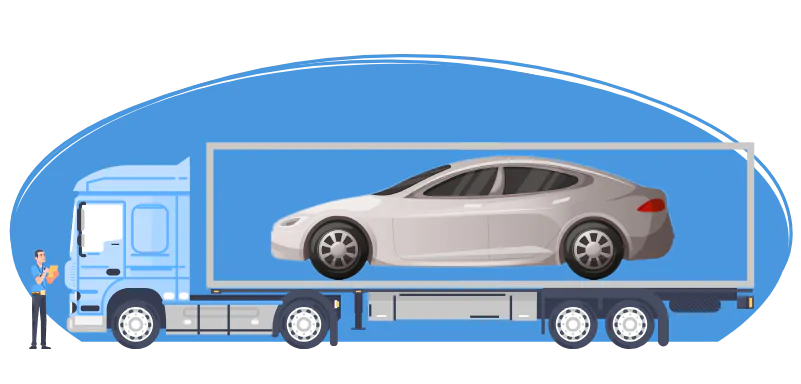
Moving across the country represents one of life’s biggest transitions—whether it’s a job opportunity, family relocation, retirement, or simply the pursuit of a new adventure. While the excitement of starting fresh in a new location is undeniable, the logistics of getting your vehicle from coast to coast can feel overwhelming.
At AutoStar Transport Express, our Miami-based team has coordinated thousands of cross-country shipments, connecting families and individuals with their vehicles across all 50 states. Drawing from our extensive experience with long-distance routes and real customer journeys, this comprehensive guide will help you navigate every aspect of cross-country car shipping with confidence.
Understanding Cross-Country Car Shipping
Cross-country car shipping involves transporting your vehicle over distances typically exceeding 1,500 miles, often from one coast to another or across multiple time zones. Unlike regional shipping, these long-distance moves require specialized logistics, extended transit times, and careful coordination across multiple states and weather zones.
Common Cross-Country Routes We Handle:
- East Coast to West Coast (2,500-3,000 miles)
- Florida to Pacific Northwest (2,800+ miles)
- Texas to Northeast (1,800-2,200 miles)
- Midwest to Southwest (1,500-2,000 miles)
Our operations manager, Mark Dugger, notes: “Cross-country shipping isn’t just about distance—it’s about coordinating complex logistics across different regions, weather patterns, and regulatory environments. Each route has its unique challenges and considerations.”
Get a car shipping quote without any personal information
When Cross-Country Shipping Makes Sense
The Financial Calculation
Many customers initially assume driving is always cheaper than shipping. However, our cost analysis team has found that shipping becomes financially competitive for distances over 1,500 miles when you factor in all driving costs:
Real Customer Example: Sarah from Miami needed her Honda Accord in Seattle. Driving costs would have included:
- Fuel: $450 (2,800 miles at current gas prices)
- Hotels: $320 (4 nights at $80/night)
- Meals: $200 (5 days of road trip dining)
- Wear and tear: $420 (IRS rate of $0.15/mile for vehicle depreciation)
- Total driving cost: $1,390
We shipped Sarah’s vehicle for $1,250 using open car transport, saving her money while allowing her to fly to Seattle and start her new job immediately.
Time and Convenience Factors
- Professional Relocations: Many of our customers need to start new jobs quickly. Michael, an engineer relocating from Fort Lauderdale to Denver, couldn’t afford to spend a week driving when his company needed him to begin work immediately.
- Family Considerations: Parents with young children often choose shipping to avoid the stress of long-distance travel with kids, pets, and luggage.
- Vehicle Limitations: Luxury vehicles, classic cars, or vehicles with mechanical issues benefit from professional auto transport rather than long-distance driving stress.
Types of Cross-Country Shipping Services
Open Transport: The Popular Choice
- Coverage: 85% of our cross-country shipments use open transport
- Cost Range: $800-1,800 for typical cross-country routes
- Transit Time: 7-14 days depending on distance and route
Open transport carriers can haul 8-10 vehicles simultaneously, making it the most economical option. Your vehicle travels on the same type of truck you see on highways daily.
Best For: Standard passenger vehicles, trucks, and SUVs in good condition
Explore our open car transport service.
Enclosed Transport: Premium Protection
- Coverage: 15% of our cross-country shipments, primarily luxury and classic vehicles
- Cost Range: $1,200-2,800 for cross-country routes
- Transit Time: 7-14 days (similar to open transport)
Enclosed carriers protect vehicles from weather, road debris, and potential damage during transport.
Best For: Luxury vehicles, classic cars, exotic vehicles, or high-value automobiles
Customer Success Story: James shipped his 1967 Mustang from Miami to Los Angeles using enclosed transport. “The peace of mind was worth every penny. My classic arrived in pristine condition, and I could focus on my cross-country move without worrying about my prized possession.”
Learn more about our enclosed car transport service.
Cross-Country Route Considerations
Major Highway Corridors
I-95 Corridor (East Coast)
- High carrier availability
- Competitive pricing due to volume
- Weather considerations: Winter storms in northern sections
I-10 Corridor (Southern Route)
- Year-round favorable weather
- Popular for Florida-California shipments
- Longer mileage but fewer weather delays
Peak Season Timeline Reality Check
I-80 Corridor (Northern Route)
- Direct east-west connection
- Winter weather challenges November-March
- Mountain passes require experienced drivers
I-40 Corridor (Central Route)
- Balanced option for central origins/destinations
- Moderate weather challenges
- Good carrier availability
Regional Pricing Variables
Our pricing analysis reveals significant variations based on route popularity:
High-Volume Routes (Lower cost per mile):
- Florida to New York/New Jersey
- California to Texas
- Chicago to Florida
Moderate-Volume Routes (Standard pricing):
- Pacific Northwest to Southeast
- Southwest to Northeast
- Mountain West to East Coast
Lower-Volume Routes (Premium pricing):
- Alaska to lower 48 states
- Rural pickup/delivery locations
- Less common city-to-city combinations
Planning Your Cross-Country Shipment
Timeline Development
8-10 Weeks Before Moving:
- Research and compare shipping companies. Get a quote from AutoStar Transport Express
- Understand seasonal pricing variations
- Begin gathering necessary documentation
4-6 Weeks Before:
- Book your shipment (our sweet spot for best rates and availability)
- Coordinate pickup/delivery dates with your moving timeline
- Arrange temporary transportation at your destination if needed
2-3 Weeks Before:
- Confirm pickup location accessibility
- Begin vehicle preparation process
- Finalize delivery logistics
Week of Pickup:
- Complete final vehicle preparation
- Arrange to be present for pickup
- Have all documentation ready
Seasonal Considerations for Cross-Country Shipping
Summer Peak Season (June-August):
- Highest demand due to family relocations
- Premium pricing: 15-25% above standard rates
- Longer booking lead times required
Winter Challenges (December-February):
- Weather delays possible on northern routes
- Some carriers avoid mountain passes during severe weather
- Potential for extended transit times
Spring/Fall Optimal Seasons:
- Moderate demand and competitive pricing
- Generally favorable weather conditions
- Best balance of cost and reliability
Expert Insight from our Dispatch Team: “We always recommend flexibility in your pickup and delivery dates. Customers who offer 2-3 day windows typically save 10-15% compared to those requiring specific dates.”
Preparing Your Vehicle for Cross-Country Transport
Essential Preparation Steps
Documentation Requirements:
- Valid vehicle registration
- Current insurance policy
- Photo identification for pickup/delivery
- Any special instructions for the carrier
Physical Preparation:
- Remove all personal items (not covered by carrier insurance)
- Reduce fuel to 1/4 tank or less
- Disable alarm systems and remove toll transponders
- Document existing damage with detailed photos
- Check tire pressure and fluid levels
Special Considerations for Long-Distance Transport:
- Ensure battery is in good condition (long transport times can drain batteries)
- Check for any loose parts that might be affected by road vibration
- Consider removing custom accessories that might be damaged or stolen
Real Customer Preparation Story
Lisa from Tampa was shipping her BMW to Portland and made a common mistake—she left a laptop bag in the trunk. “The AutoStar team caught this during pickup inspection and saved me from potential loss. Their attention to detail made the difference between a smooth shipment and a potential insurance claim.”
Understanding Cross-Country Shipping Costs
Pricing Factors
Distance: Base cost increases with mileage, but cost per mile decreases for longer distances Route Popularity: High-volume routes cost less per mile than unusual routes Vehicle Size: Larger vehicles take more space and cost more to transport Service Type: Enclosed transport costs 40-60% more than open transport Seasonal Demand: Peak seasons command premium pricing Pickup/Delivery Locations: Door-to-door costs more than terminal service
Popular Cross-Country Car Shipping Routes
These routes represent some of the most frequently requested long-distance vehicle transport services across the United States:
| Car Shipping Route | Distance (miles) | Estimated Cost ($) | Estimated Time (days) |
|---|---|---|---|
| Utah to Florida Auto Transport | 2,300 - 2,500 | $1,300 - $1,600 | 7 - 9 days |
| Florida to North Dakota Car Shipping | 2,000 - 2,200 | $1,200 - $1,500 | 7 - 9 days |
| Florida to New Mexico Car Shipping | 1,700 - 1,900 | $1,100 - $1,400 | 6 - 8 days |
| Florida to Minnesota Car Shipping | 1,700 - 1,900 | $1,100 - $1,400 | 6 - 8 days |
| Florida to Kansas Car Shipping | 1,400 - 1,600 | $950 - $1,250 | 5 - 7 days |
| Michigan to Florida Auto Transport | 1,200 - 1,400 | $900 - $1,150 | 5 - 6 days |
| Car Transport from New York to Florida | 1,000 - 1,200 | $900 - $1,100 | 4 - 6 days |
| Florida to Pennsylvania Auto Transport | 1,000 - 1,200 | $850 - $1,050 | 4 - 6 days |
| Florida to Indiana Car Shipping | 1,000 - 1,200 | $800 - $1,000 | 4 - 6 days |
| Indiana to Florida Car Shipping | 1,000 - 1,200 | $800 - $1,000 | 4 - 6 days |
| Maryland to Florida Car Shipping | 1,000 - 1,100 | $750 - $950 | 4 - 5 days |
All prices based on open transport for standard sedans. Costs may vary based on vehicle size, season, and exact pickup/delivery locations.
Managing Cross-Country Transit Times
Realistic Expectations
Cross-country shipping requires patience and realistic timeline expectations. Our average cross-country transit times:
2,000-2,500 miles: 7-11 days 2,500-3,000 miles: 9-14 days Over 3,000 miles: 10-16 days
Factors Affecting Transit Times
Weather Delays: Winter storms, hurricanes, or severe weather can add 1-3 days
Carrier Routing: Drivers must follow DOT regulations for rest periods and driving hours
Multiple Stops: Carriers typically transport 6-10 vehicles, requiring multiple pickup/delivery stops
Geographic Challenges: Mountain passes, urban congestion, or rural deliveries can extend timelines
Customer Communication Strategy: Our dispatch team provides regular updates every 2-3 days during transit. “Transparency builds trust,” says our customer service manager, Maria Rodriguez. “We’d rather over-communicate than leave customers wondering about their vehicle’s status.”
Avoiding Cross-Country Shipping Pitfalls
Red Flags to Watch For
- Unrealistic Low Pricing: If a quote seems too good to be true for cross-country shipping, investigate thoroughly. Legitimate long-distance transport has real costs that can’t be dramatically undercut.
- Large Upfront Deposits: Reputable companies typically require minimal deposits ($100-200) with balance due on delivery.
- No Physical Business Address: Verify the company has a legitimate business location, insurance, and proper licensing.
- Pressure Sales Tactics: Professional companies understand that cross-country shipping is a significant decision requiring research time.
Common Customer Mistakes
Insufficient Research: Not verifying carrier credentials through FMCSA database
Inadequate Insurance Review: Assuming carrier insurance covers personal items or vehicle contents
Poor Communication: Not staying in touch with the carrier during transit
Unrealistic Expectations: Expecting specific delivery times rather than delivery windows
Insurance and Protection Strategies
Understanding Coverage Options
Carrier Liability Insurance: Required by law but provides minimal coverage Comprehensive Transport Insurance: Additional coverage for higher-value vehicles Personal Auto Insurance: Check if your policy covers transport damage
Real Claim Experience: Robert’s Mercedes suffered minor paint damage during cross-country transport. Because he had purchased additional insurance through our recommended provider, his $800 repair was fully covered with no deductible. “The extra $75 for enhanced coverage was the best investment I made,” Robert noted.
Technology and Tracking
Modern Shipping Conveniences
GPS Tracking: Many carriers now offer real-time location updates
Mobile Apps: Track shipment progress and receive notifications
Digital Documentation: Electronic bills of lading and delivery confirmations
Photo Updates: Some carriers provide periodic photos during transport
Technology Integration: Our customer portal allows real-time tracking and direct communication with dispatch teams, reducing anxiety and improving the overall shipping experience.
Special Circumstances for Cross-Country Shipping
Military and Corporate Relocations
- Military PCS Moves: Special considerations for service members relocating
- Corporate Relocations: Coordinating with company moving schedules
- University Transfers: Student vehicle shipping for college transfers
High-Value and Specialty Vehicles
- Classic Car Transport: Additional protection and handling requirements
- Luxury Vehicle Shipping: Enhanced security and enclosed transport options
- Modified Vehicles: Special considerations for lifted trucks, lowered cars, or custom modifications
The Future of Cross-Country Car Shipping
Industry Evolution
Environmental Considerations: More efficient routing and fuel-conscious practices
Technology Integration: Enhanced tracking and communication systems
Service Improvements: Faster transit times and more flexible scheduling options
Emerging Trends: Our industry analysis shows growing demand for:
- Expedited cross-country services
- Enhanced tracking and communication
- Eco-friendly transport options
- Flexible scheduling for remote workers
Making Your Cross-Country Decision
Final Preparation Checklist
Before Booking:
- Compare quotes from 3-5 reputable companies
- Verify licensing and insurance credentials
- Read recent customer reviews. Checkout our auto transport reviews.
- Understand total costs including any additional fees
Before Pickup:
- Complete vehicle preparation steps
- Arrange alternative transportation at destination
- Confirm pickup location accessibility
- Have all required documentation ready
During Transit:
- Maintain communication with carrier
- Track shipment progress when available
- Prepare for delivery at destination
- Be flexible with delivery timing
Here is the guide for do and don’ts of car shipping.
Conclusion: Your Cross-Country Journey Starts Here
Cross-country car shipping represents more than just moving a vehicle—it’s facilitating your transition to a new chapter in life. Whether you’re pursuing career opportunities, reuniting with family, or simply seeking new adventures, professional vehicle transport ensures your car arrives safely while allowing you to focus on the excitement of your new destination.
At AutoStar Transport Express, we understand that every cross-country shipment tells a story of change, growth, and new beginnings. Our expert car shipping team takes pride in being part of these important life transitions, providing the expertise and care that make long-distance vehicle transport a positive experience rather than a source of stress.
The open road awaits at your destination—let us handle getting your vehicle there safely while you focus on the adventure ahead.