When it comes to collecting or buying old cars, the terms classic, vintage, and antique are often used interchangeably. But did you know each has a distinct meaning, and significantly different implications regarding value, restoration, insurance, and collectibility?
Whether you’re new to the world of classic automobiles or a seasoned enthusiast, this guide on classic vs vintage vs antique cars breaks down the real differences between these categories.
Key Highlights
- The main difference between classic, vintage, and antique cars is their age, with classic cars being 20-40 years old, vintage cars 30-50 years old, and antique cars 45+ years old.
- Classic, vintage, and antique cars each include unique vehicle types, such as muscle cars, pre-war vehicles, and early automobiles.
- Classic cars range from $10K to $ 1 M+, vintage cars from $30K to $ 200 K+, and antique cars from $15K to $ 1 M+, depending on condition and rarity.
Age: The Big Difference
The primary factor that separates classic, vintage, and antique cars is their age. Each category is defined by a specific time range that influences its historical value, eligibility for registration, and collectibility.
How Old Is a Classic Car?
A classic car is typically 20 to 40 years old. These vehicles are often admired for their unique styling, performance, and cultural impact. Classic cars are more likely to be in drivable condition and can still be seen on the road or at car shows.
How Old Is a Vintage Car?
A vintage car refers specifically to vehicles manufactured between 1919 and 1930. These cars mark the post-World War I innovation era and are among the rarest in the collector market.
How Old Is an Antique Car?
An antique car is defined as any vehicle that is 45 years old or older. These vehicles are often preserved for their historical significance and craftsmanship, typically driven sparingly if at all.
The Types
Each category of classic, vintage, and antique cars encompasses a variety of vehicle types, each with unique characteristics and historical significance.
Types of Classic Cars
Muscle Cars
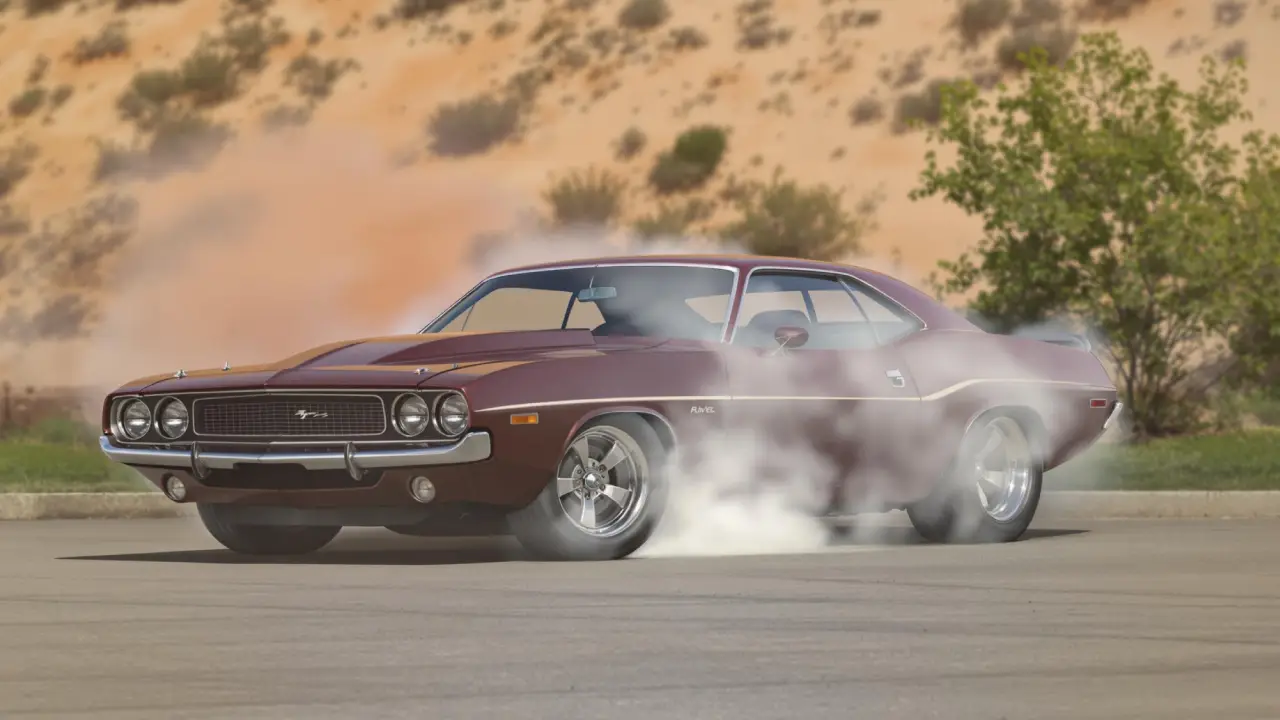
Known for their high performance and powerful engines, muscle cars are iconic American vehicles that emphasize speed and strength.
They gained popularity in the 1960s and 70s, with models like the Ford Mustang and Dodge Charger leading the pack.
Collectors value them for their raw power, bold styling, and nostalgic appeal.
Popular Models:
- 1968 Dodge Charger R/T
- 1970 Chevrolet Chevelle SS 454
- 1969 Pontiac GTO “The Judge”
- 1971 Plymouth Barracuda
- 1972 Ford Mustang Mach 1
Luxury Cars
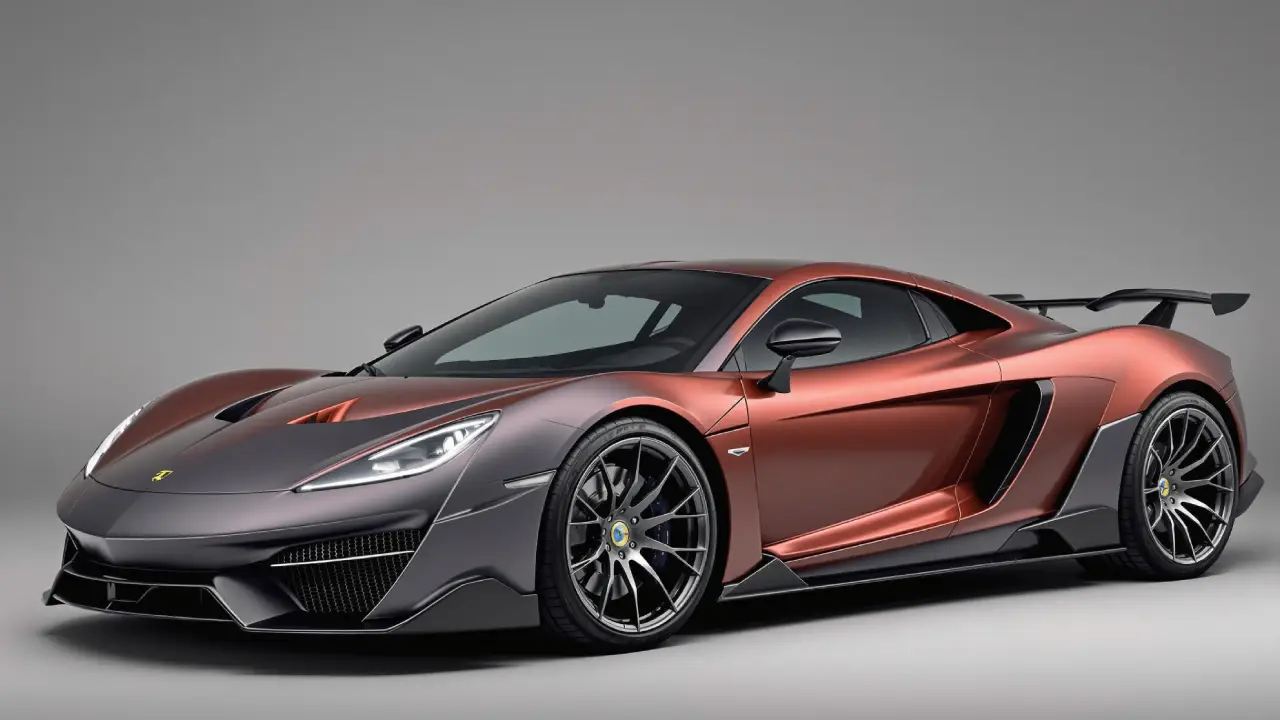
High-end vehicles are known for their premium features, advanced technology, and a focus on comfort and luxury. Classic luxury cars offer timeless elegance and craftsmanship. They are often sought after for their refined interiors and smooth driving experience.
- 1963 Mercedes-Benz 300SL Gullwing
- 1959 Cadillac Eldorado Biarritz
- 1967 Rolls-Royce Silver Shadow
- 1987 Buick Grand National GNX
- 1979 Lincoln Continental Mark V
Types of Vintage Cars
Pre-War Vehicles

Cars produced before World War II featured early automotive technology and were often designed with more basic mechanical systems.
These vehicles are rare and often hand-built, showcasing the origins of automotive engineering.
Collectors admire them for their historical significance and vintage charm.
Popular Models:
- 1919 Ford Model T Sedan
- 1921 Hudson Super Six Phaeton
- 1925 Flint Model E-55
- 1932 Packard Light Eight
- 1936 Auburn 852 Speedster
Art Deco Cars
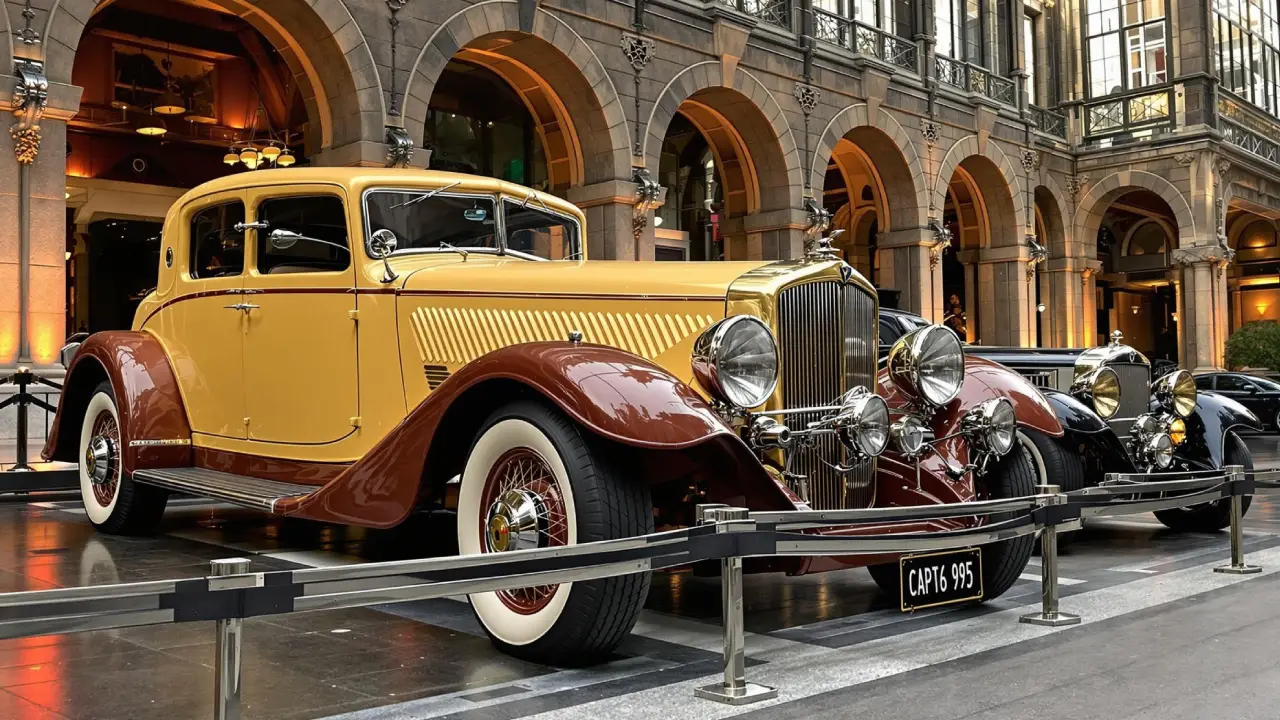
Cars produced during the 1920s and 1930s, with designs influenced by the Art Deco movement, featured sleek, modern lines and an emphasis on luxury.
They often include chrome accents, sweeping curves, and geometric detailing.
Models like the 1937 Cord 812 and the Delahaye 135 embody this elegant design era.
Popular Models:
- 1937 Cord 812 Supercharged
- 1935 Delahaye 135 Competition Court
- 1934 Chrysler Airflow
- 1938 Talbot-Lago T150C SS Teardrop Coupe
- 1931 Bugatti Type 50
Types of Antique Cars
Early Automobiles
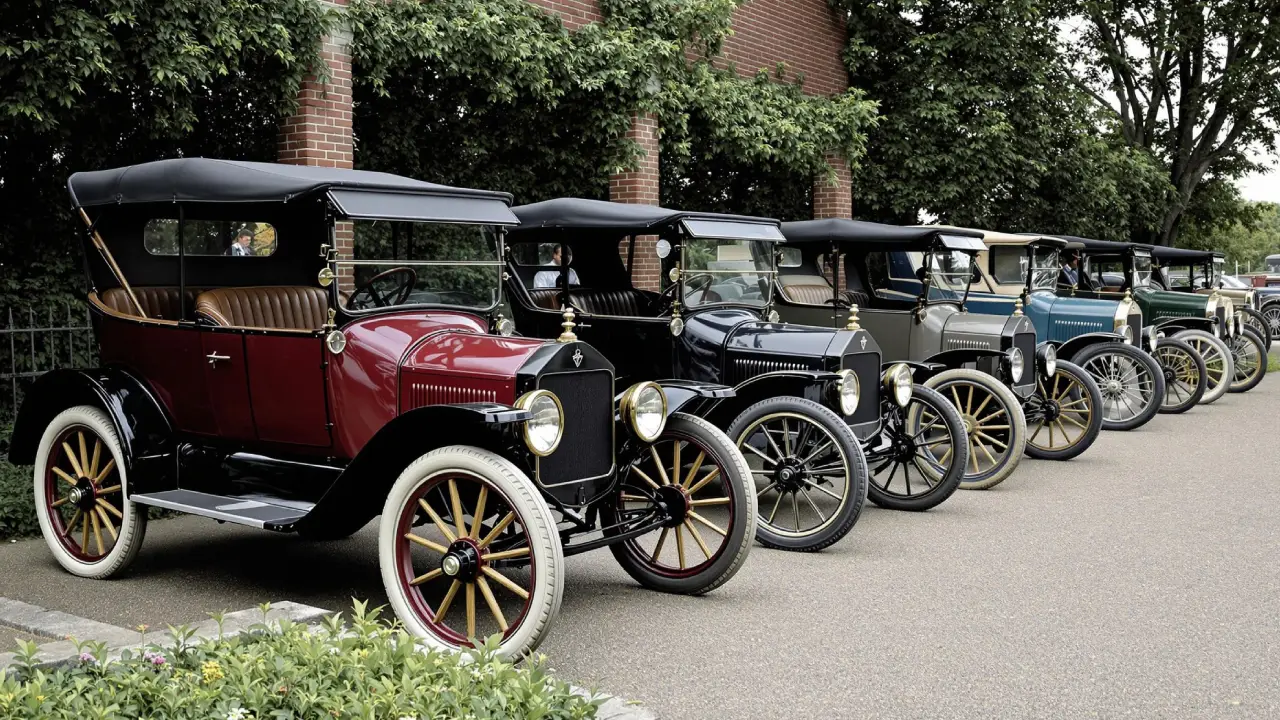
Vehicles from the dawn of the automotive industry, dating back to the late 1800s to the early 1900s, with pioneering designs and mechanics.
Often powered by steam, electricity, or primitive gasoline engines, these cars laid the foundation for modern transportation.
They are prized by collectors for their rarity and historical innovation.
Popular Models:
- 1901 Oldsmobile Curved Dash
- 1903 Ford Model A
- 1904 Cadillac Model B
- 1907 Thomas Flyer 4-60
- 1911 Mercer Raceabout
Vintage Sedans
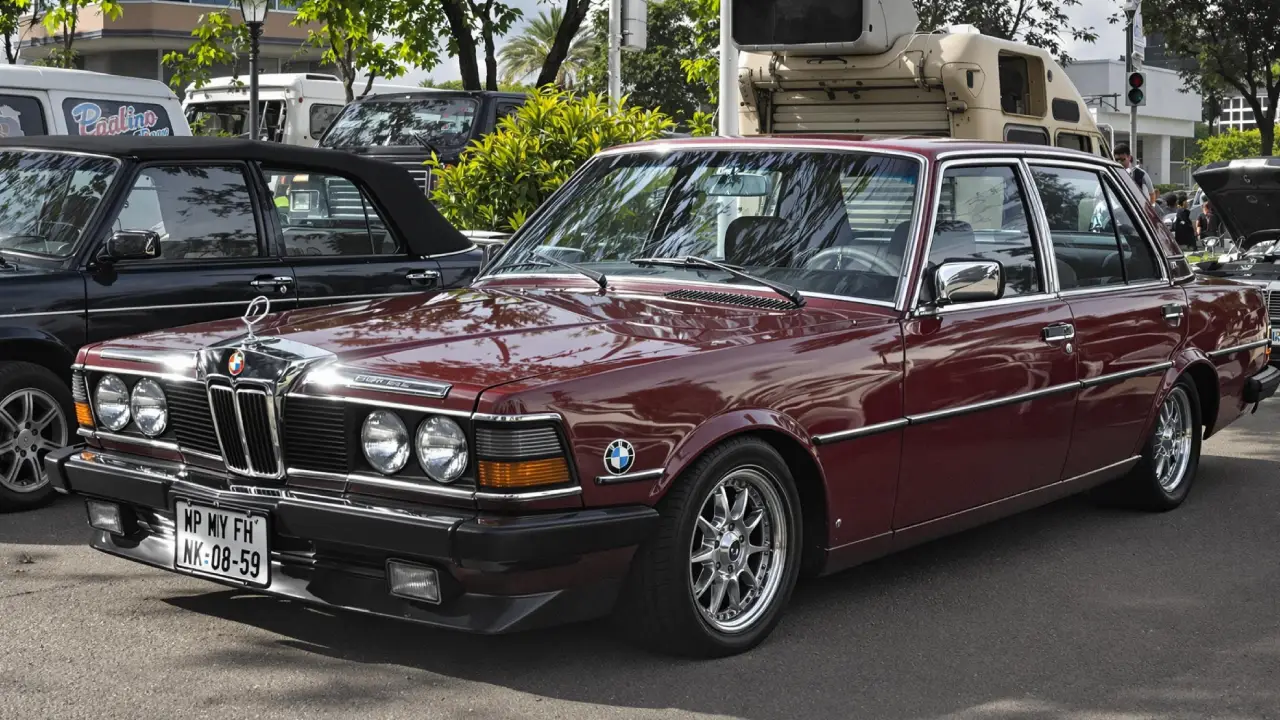
Luxury sedans from the early to mid-1900s, often designed for comfort, style, and advanced features for their time.
Brands like Packard, Lincoln, and Bentley produced sedans that symbolized prestige and innovation.
They often feature elegant interiors, spacious cabins, and smooth ride quality for their era.
Popular Models:
- 1930 Cadillac V-16
- 1938 Volkswagen Beetle (early model)
- 1951 Oldsmobile Super 88
- 1954 Rolls-Royce Phantom IV
- 1964 Chevy El Camino Coupe
Pricing of Classic, Vintage, and Antique Cars
Classic Cars
- Price Range: $10,000 to over $100,000, with rare models exceeding $1 million.
- Factors: Condition, rarity, model, and brand.
Vintage Cars
- Price Range: $30,000 to $200,000+, with some reaching higher prices.
- Factors: Rarity, condition, and historical significance.
Now that you have an idea of the price ranges for both classic and vintage cars, you might be wondering where to purchase one. Whether you’re looking to invest in a classic beauty or a rare vintage gem, finding the right platform is crucial. Explore top online sites for buying classic and vintage cars to find the best deals and options.
Antique Cars
- Price Range: $15,000 to over $1 million.
- Factors: Age, rarity, condition, and brand.
Characteristics of Classic, Vintage, and Antique Cars
Classic Cars
Classic cars are known for their unique styling, performance, and cultural impact.
- Design: Bold and iconic styling with distinct aesthetics.
- Performance: Often still drivable with great performance.
- Cultural Significance: Tied to specific time periods and automotive trends.
- Condition: Well-preserved and restored for everyday use or car shows.
Vintage Cars
Vintage cars (1919-1930) are rare, representing post-WWI innovation and early automobile technology.
- Historical Value: Reflects technological advancements of their time.
- Design: Art Deco-inspired with sleek lines and decorative elements.
- Mechanical Simplicity: Fewer electronics, more basic components.
- Rarity: Often rare and requires specialized care.
Antique Cars
Antique cars, 45 years or older, are valued for their craftsmanship and historical significance.
- Craftsmanship: Hand-built with superior materials.
- Preservation: Rarely driven, often preserved in collections.
- Historical Relevance: Mark milestones in automotive history.
- Low Mileage: Typically have low mileage due to infrequent use.
Conclusion
Understanding the distinctions between vintage vs classic, vs antique cars is crucial for collectors, enthusiasts, and potential buyers. These terms are not interchangeable, and each category has its unique characteristics that impact its value, collectibility, and registration. Whether you’re looking to buy, restore, or simply admire these vehicles, knowing their age, types, and pricing will help you make an informed decision.
Frequently Asked Questions
What is considered a vintage car?
A vintage car refers to vehicles manufactured between 1919 and 1930, marking the post-WWI innovation era. These cars are often rare and valued for their early automotive technologies and unique design.
How old does a car have to be to be considered an antique?
An antique car is defined as any vehicle that is 45 years old or older. These cars are typically preserved for their historical significance, craftsmanship, and rarity, and are rarely used for daily driving.
What makes a classic car different from a vintage or antique car?
A classic car is typically 20 to 40 years old and is known for its unique styling, performance, and cultural impact. It differs from vintage and antique cars based on its age and the era it represents in automotive history.
Can a car be both classic and antique?
No, a car can only be classified as classic or antique, but not both. Classic cars are typically 20-40 years old, while antique cars are at least 45 years old. Therefore, a car can only belong to one category based on its age.
Why are vintage and antique cars not commonly used for daily driving?
Vintage and antique cars are typically not driven daily due to their age, limited safety features, and fragile mechanical systems. Parts for these vehicles can be hard to find, and their maintenance requires specialized care. Owners usually reserve them for shows, parades, or preservation.
Do classic, vintage, and antique cars require special insurance?
Yes, these vehicles often require specialized collector car insurance. Unlike standard policies, these insurance plans may offer Agreed Value coverage, lower premiums for limited use, and protection during transport or exhibition ensuring the vehicle’s true value is protected.
Are restoration projects common for antique and vintage vehicles?
Absolutely. Many enthusiasts take on restoration projects to return antique and vintage cars to their original condition.
How can I verify the authenticity of a classic, vintage, or antique car?
Verifying a car’s authenticity involves checking its VIN (Vehicle Identification Number), original parts, factory build sheets, and ownership history.